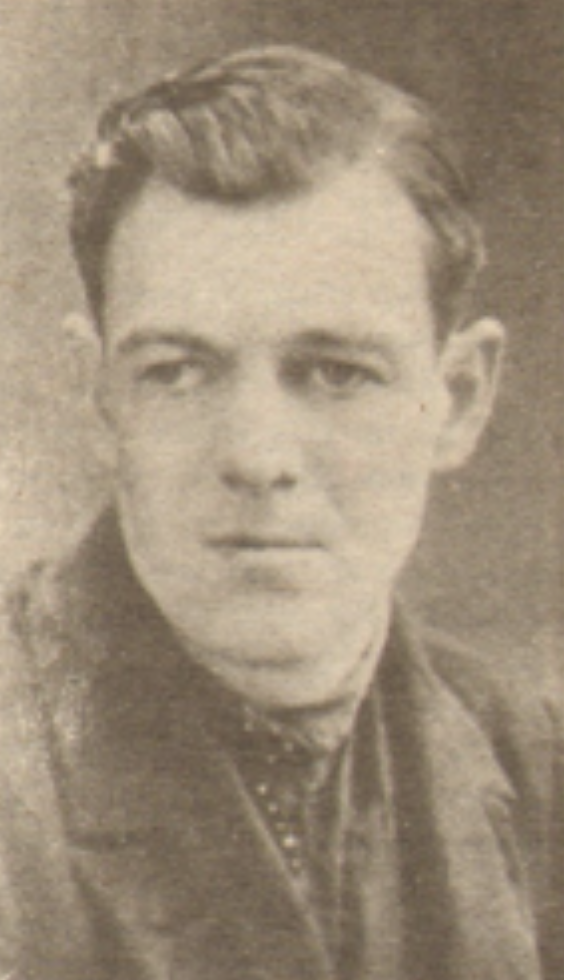
Mikola Butoma
Mikalaj Uladzimiravich Butoma
1905–1983. Belarusian church composer and choir director.
1905
Born on 9 May in Gomel, into the family of Uladzimir Piatrovich Butoma, a graduate of the Mogilev Theological Seminary.
1907
His father was ordained a priest to serve at the Transfiguration Church in Gomel.
1910s
Educated at the Gomel gymnasium. From childhood he took part in church services — singing and reading at the kliros, later directing the church choir on his own. His earliest musical works were performed at the Transfiguration Church.
His formation as a musician was shaped by the tradition of Russian church choral art of the early 20th century — by the works of Alexander Arkhangelsky, Pavel Chesnokov, and Alexander Grechaninov — and by the many printed musical editions of that time. Princess Irina Ivanovna Paskevich supported the young musician.
1920s
He studied at a railway technical college, but was expelled because of his clerical family background. He later tried to obtain higher education at a commercial institute.
He had a talent for mathematics, wrote poetry, possessed a calligraphic hand, and decorated his manuscript musical collections with his own drawings.
1925
Composed his first significant musical works. Began an active career as a composer of church music.
During this period he collaborated with the Belarusian composer A. Ya. Turankoŭ, considered one of the founders of Belarusian mass song, choral music, and romance. Butoma was regarded as his gifted pupil.
1927
The composer’s father, Archpriest Uładzimir Butoma, was arrested after serving a panikhida for Emperor Nicholas II and exiled for six years. Shortly afterwards the Transfiguration Church was closed.
By this time Butoma was already married and, fearing arrest, moved to Dobrush, where he became the director of the church choir.
1928
His daughter Valentina was born in Dobrush. Warned of a possible arrest after a denunciation by local Komsomol activists, Butoma returned to Gomel with his family.
That winter he worked in a brigade clearing railway tracks of snow. He later got a job as a railway accountant, and remained an accountant all his life. He raised two children — daughter Valentina and son Uładzimir.
1930s
By 1929 all Orthodox churches in Gomel had been closed. From 1933 repressions against the clergy and the faithful intensified. Despite this, he continued to compose church music.
In 1934 Butoma’s father returned to Gomel from exile, but in August 1937 was again arrested together with other Gomel clergy. On 1 November he was shot near Gomel. His father was an ideal for Butoma and played a major role in raising his son.
1941–1945
During the Great Patriotic War, after the churches reopened in occupied Gomel, church life was restored. Butoma continued his work in church music.
After 1945
He became the choir director of the Saints Peter and Paul Cathedral in Gomel. After the cathedral was closed he directed the choir of St Nicholas Church. He devoted himself to restoring manuscripts damaged during the war.
1950s–1960s
The period of the composer’s highest creative activity.
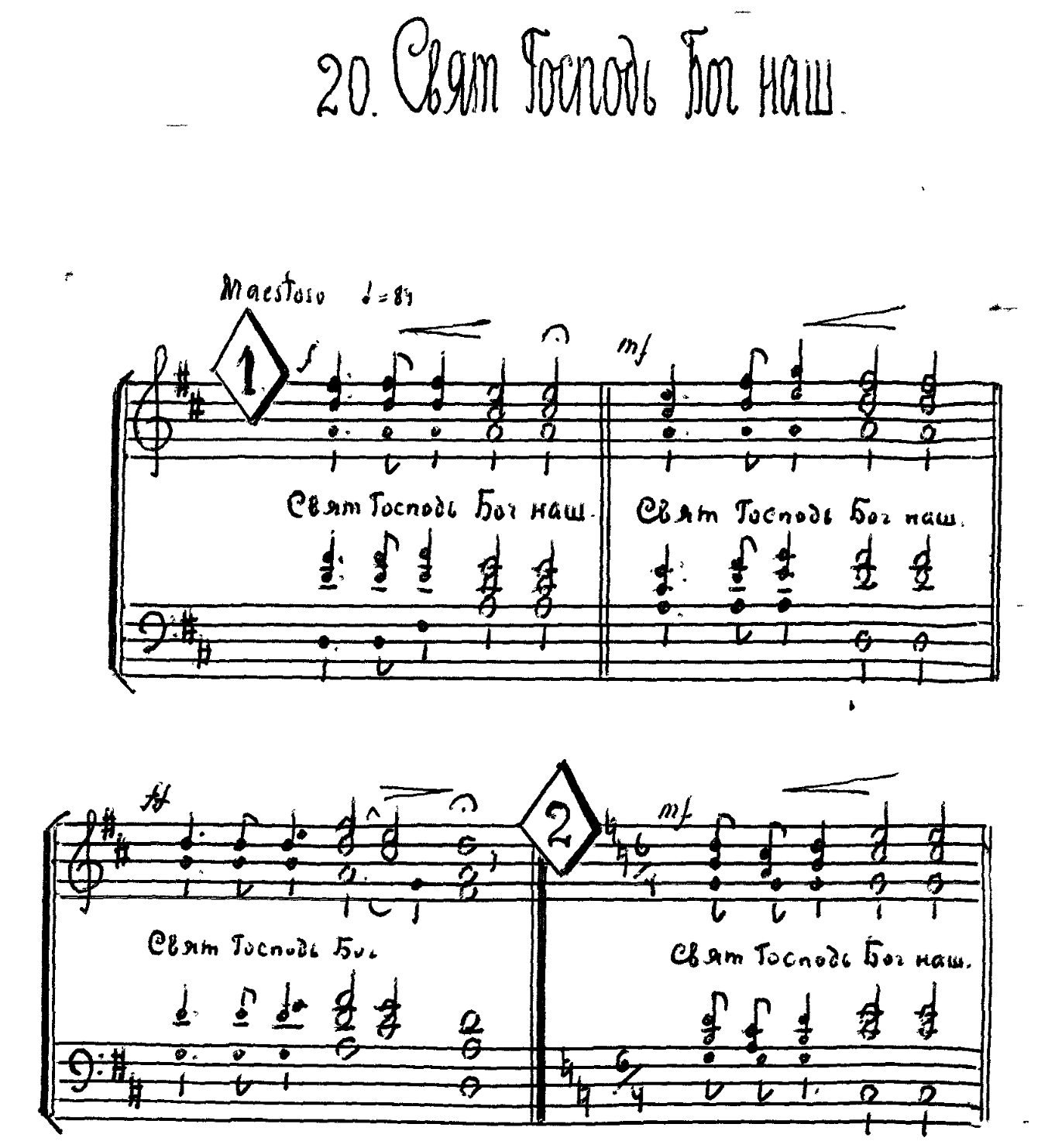
He composed the core of the church repertoire: liturgies, all-night vigils, troparia and kontakia, wedding chants, communion verses, and more than 20 choral concertos.
In total he wrote around 300 works of church music.
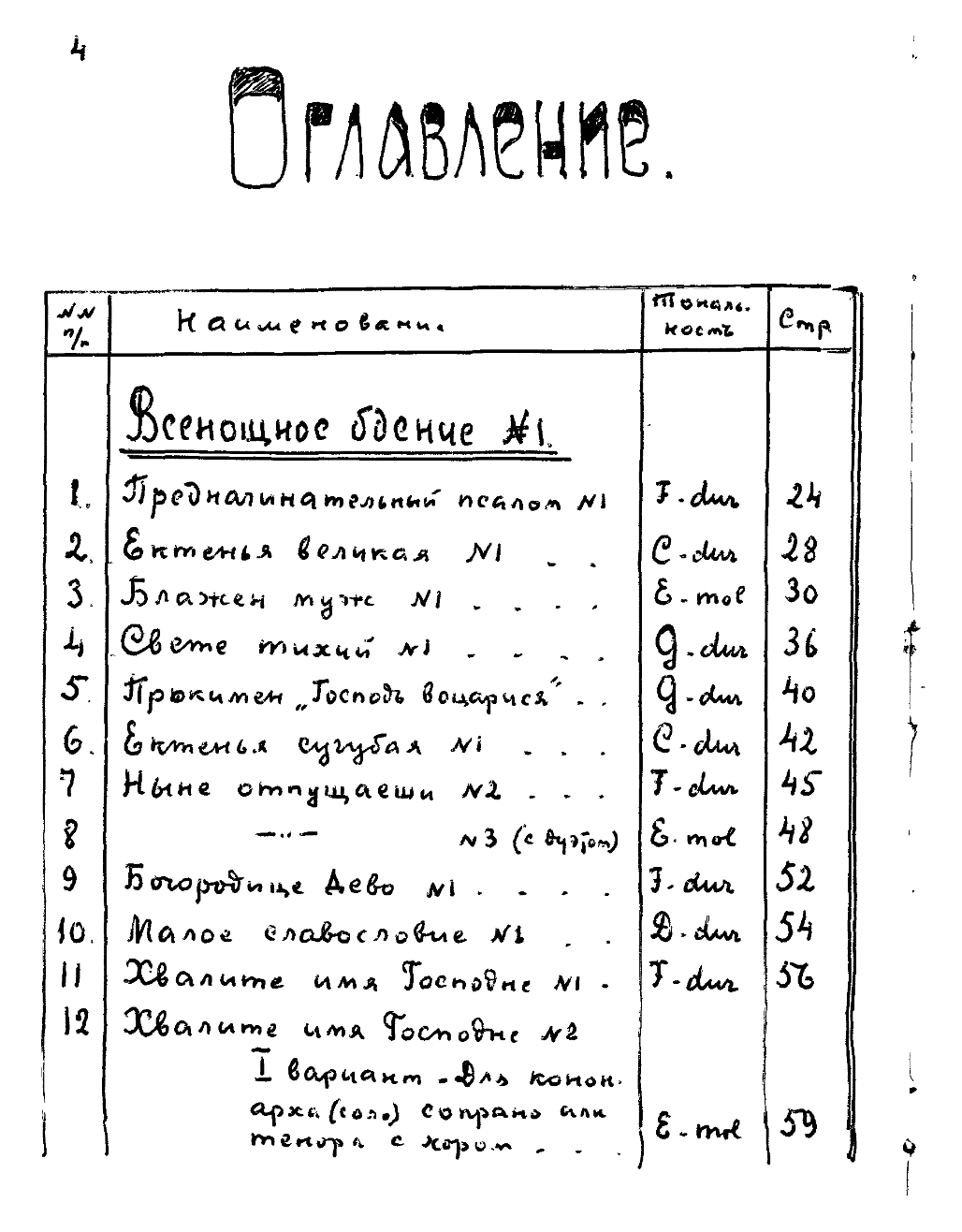
Butoma assembled the complete edition of his works into ten volumes: All-Night Vigil (101 works), Liturgy (116), Concertos (19), Sunday Irmosi (14), Festal Irmosi (40), Holy Week (39), Chants of the Great Feasts (205), Chants of the Akathists (55), Chants of the Liturgy of the Pre-Sanctified Gifts and of the Passion (36).
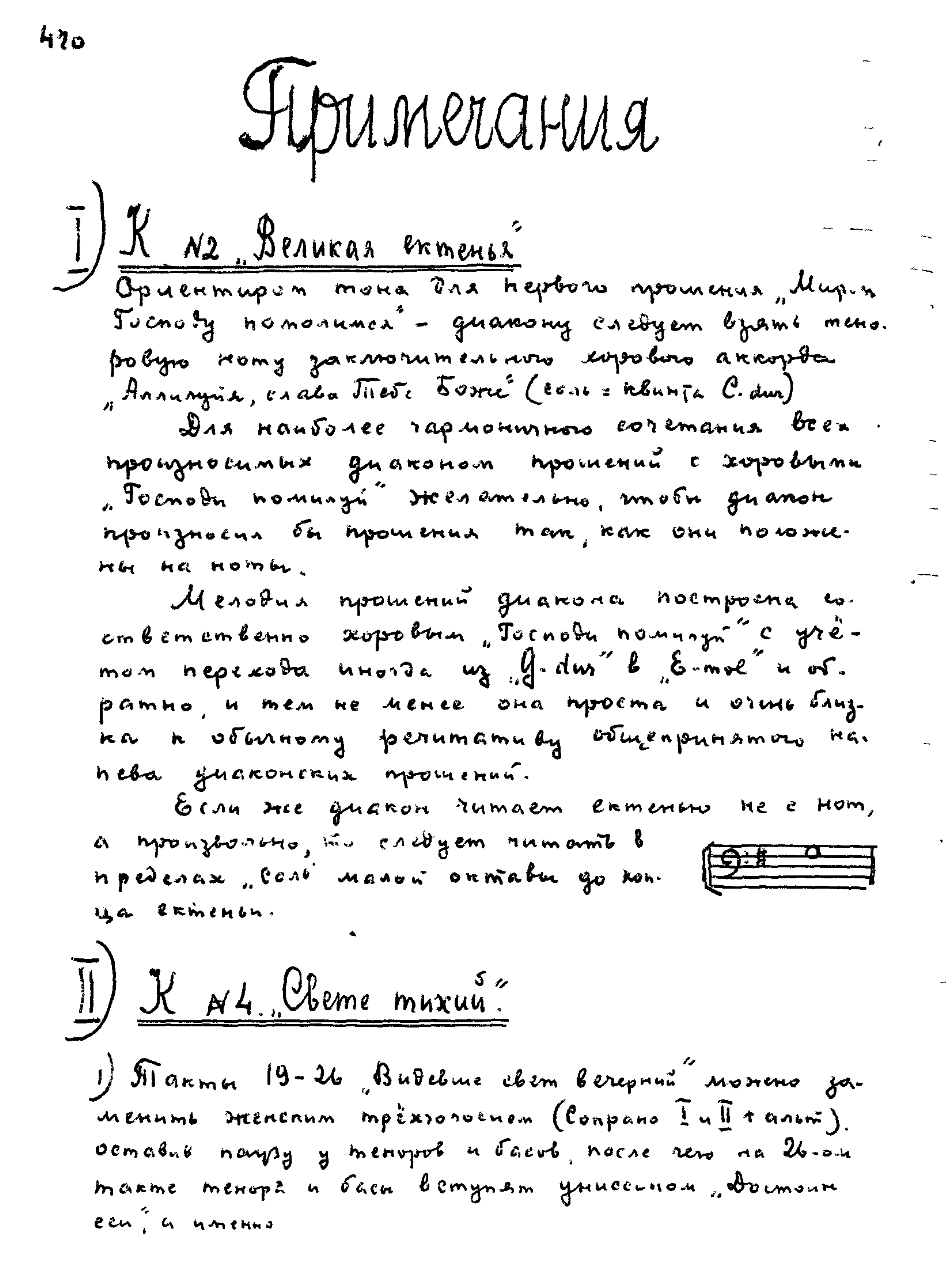
In his autograph manuscript of the collection All-Night Vigil No. 4, Butoma writes:
“The pieces in this collection have been composed taking into account the needs and practical possibilities of today’s choral groups. The harmonisation of all the chants I propose is simple and accessible to small choirs.”
His works spread to churches in Gomel and the Gomel region, as well as in Bryansk, Saint Petersburg, Kyiv, Chernihiv, Minsk, Barnaul, Lutsk, Pavlovsk, and other cities.
He kept up a correspondence with choir directors and church musicians in Belarus, Russia, Ukraine, and Kazakhstan, sending out his own works and writing music to order for church choirs.
His musical style is characterised by prayerfulness, melodic line, classical harmonisation, and practical accessibility for small church choirs.
|
|
Up to 1965
In addition to his main occupation, he served for 18 years as director of the church choir at the Saints Peter and Paul Cathedral in Gomel and at the church of St Nicholas.
1970s–1980s
Despite declining health and a serious leg condition, he continued copying out and decorating his scores. His late manuscripts preserved the same neatness and calligraphic quality.
1983
Died in Gomel on 26 October.
Butoma’s talent was many-sided: he had excellent mathematical knowledge, composed poetry, and wrote in a beautiful hand. His manuscript works are adorned with his own drawings.
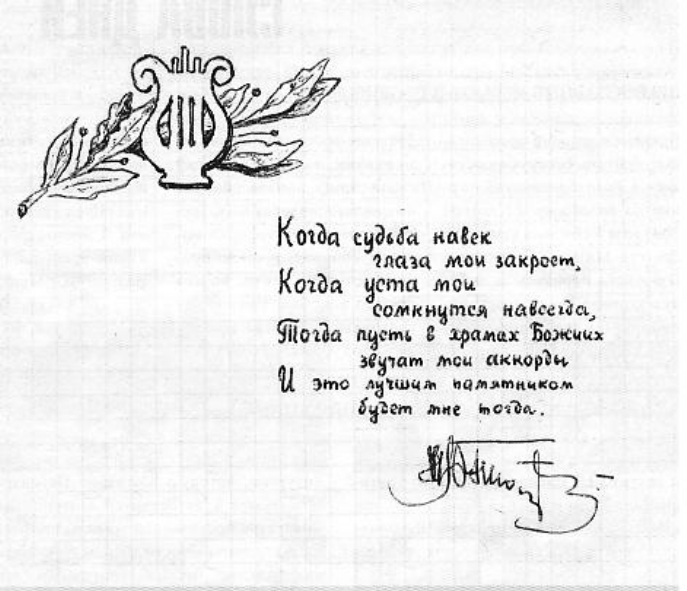
Title page of N. V. Butoma's manuscript score collection, signed by the author. Stupeni, 2004, no. 1, p. 21.
Mikalaj Uładzimiravič Butoma is considered one of the greatest Belarusian composers of Orthodox church music of the 20th century.
He created his own body of liturgical repertoire, which had a significant influence on the church-singing tradition of Belarus and other regions of Eastern Europe.
Mikalaj Butoma stands alongside other renowned conductors and composers who raised sacred music to a new level.
Pieces by this composer
- Вялікая екцення (велікапосная) — Mikola Butoma ( PDF , MP3 )
- Вялікая екцення (памінальная) — Mikola Butoma ( PDF , MP3 )
- Хвалі, душа мая, Госпада № 1 — Mikola Butoma ( PDF , MP3 )
- Адзінародны Сыне — Mikola Butoma ( PDF , MP3 )
- Адзінародны Сыне №1 — Mikola Butoma ( PDF , MP3 )
- Прыйдзіце паклонімся — Mikola Butoma ( PDF , MP3 )
- У Царстве — Mikola Butoma ( PDF , MP3 )
- Хрыстос уваскрос — Mikola Butoma ( PDF , MP3 )
- Хрыстос уваскрос (до мажор) — Mikola Butoma ( PDF , MP3 )
- Са святымі супакой №3 — Mikola Butoma ( PDF , MP3 )
- Са святымі супакой №1 — Mikola Butoma ( PDF , MP3 )
- Са святымі супакой №2 — Mikola Butoma ( PDF , MP3 )
- Крыжу Твайму — Mikola Butoma ( PDF , MP3 )
- Трысвятое — Mikola Butoma ( PDF , MP3 )
- Херувімская песня — Mikola Butoma ( PDF , MP3 )
- Херувімская песня — Mikola Butoma ( PDF , MP3 )
- Міласць міру — Mikola Butoma ( PDF , MP3 )
- Сапраўды належыць — Mikola Butoma ( PDF , MP3 )
- І ўсіх, і ўсё. Прасіцельная екцення — Jableczna chant, Mikola Butoma ( PDF , MP3 )
- Екцення памінальная — Mikola Butoma ( PDF , MP3 )
- Вечная памяць №3 — Mikola Butoma ( PDF , MP3 )
- Вечная памяць №2 — Mikola Butoma ( PDF , MP3 )
- Вечная памяць №1 — Mikola Butoma ( PDF , MP3 )
- Пад Тваю міласць — Mikola Butoma ( PDF , MP3 )
- Пад Тваю міласць — Mikola Butoma ( PDF , MP3 )